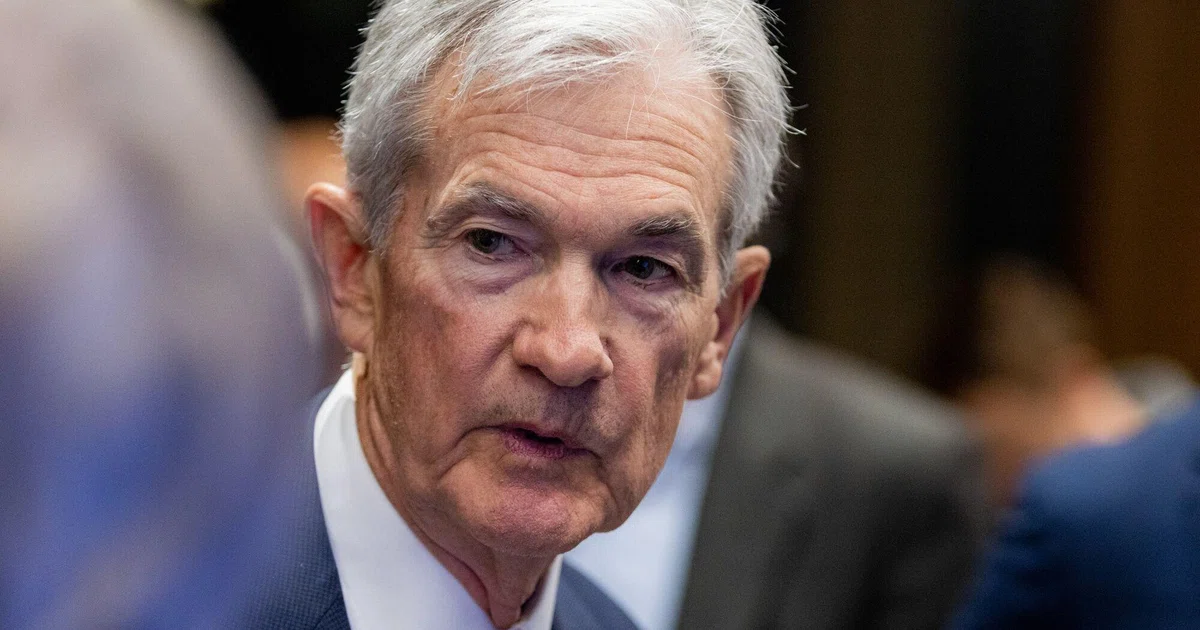
The Federal Open Market Committee (FOMC) is set to convene for what could be Jerome Powell’s final meeting as Chair of the Federal Reserve—marking the end of an era defined by crisis management, inflation battles, and unprecedented monetary policy shifts. With a major leadership change looming, markets aren’t just watching interest rate decisions—they’re assessing the future direction of U.S. monetary policy.
While Powell hasn’t officially stepped down, speculation has intensified over his successor, especially as political winds shift and the Fed prepares for a new chapter. This meeting isn’t just about inflation or rate cuts—it’s a pivotal moment in institutional continuity, policy philosophy, and economic confidence.
The Stakes of a Transitioning Fed Chair
Federal Reserve chairs wield immense influence over financial markets and economic stability. While the role is nonpartisan, the appointment process is inherently political, and the chosen successor will inherit a delicate balancing act: sustaining price stability while avoiding recessionary pitfalls.
Powell’s tenure—beginning in 2018—has spanned multiple economic shocks: the 2018 rate hike cycle, the pandemic collapse and stimulus surge of 2020, the inflation spike of 2021–2023, and the aggressive tightening campaign that followed. His leadership was defined by adaptability, but also criticized for delayed responses to inflation.
Now, as his term nears its end, a leadership transition threatens to introduce uncertainty. Markets dislike ambiguity, especially when it comes to monetary policy. A new chair could mean changes in:
- Communication style and forward guidance
- Tolerance for inflation vs. unemployment
- Approach to financial regulation
- Views on balance sheet normalization
These are not minor shifts—they shape how quickly rates change, how aggressively financial risks are addressed, and how the Fed responds to future crises.
Why This Meeting Feels Like an Epilogue
Though Powell remains in office until his successor is confirmed, this FOMC gathering holds symbolic weight. It may be the last time he delivers a post-meeting press conference, sets the tone for policy, or defends the committee’s stance on inflation.
Market participants are parsing every word—not just for rate signals, but for hints of legacy messaging. Will Powell emphasize inflation progress? Will he acknowledge risks of overtightening? Or will he lay intellectual groundwork for his likely successor?
Consider the 2013 “taper tantrum” when Ben Bernanke hinted at slowing asset purchases. Sentiment shifted overnight. Today, even subtle phrasing—like adjusting “on a meeting-by-meeting basis” to “data-dependent with longer-term considerations”—could signal a shift in tone ahead of new leadership.
Traders are already positioning for volatility. Options markets show elevated expectations for yield curve shifts, and equity sectors sensitive to interest rates—real estate, tech, and utilities—are trading cautiously.
The Leading Candidates to Replace Powell
While the final decision rests with the White House and Senate confirmation, several names have emerged as potential successors. Each brings a distinct policy flavor:
1. Lael Brainard Currently Vice Chair, Brainard is a known quantity—pragmatic, dovish-leaning, and deeply familiar with financial regulation. She supported aggressive action during the pandemic but warned early about inflation risks. Her continuity with Powell’s regulatory stance makes her a safe choice.
2. Philip Jefferson The current Vice Chair for Supervision, Jefferson is an academic with a calm demeanor and strong consensus-building skills. Seen as non-ideological, his appointment could signal stability. However, he lacks high-profile crisis experience.
3. Adewale “Wally” Adeyemo Deputy Treasury Secretary and former Obama administration official, Adeyemo brings policy breadth. While not a traditional monetary economist, his understanding of financial inequality and systemic risk could appeal to progressive factions. Skeptics question his technical Fed readiness.
4. Kenneth Rogoff A Harvard economist and former IMF chief economist, Rogoff represents a more hawkish, rules-based approach. He has criticized the Fed’s inflation response and advocated for tighter long-term frameworks. His appointment would signal a philosophical shift.
5. External Appointee (e.g., Austan Goolsbee, Cecilia Rouse) The White House could also look outside the Fed for fresh perspective. Goolsbee (University of Chicago) or Rouse (former CEA chair) offer academic rigor and diversity, but face steeper learning curves.
The choice isn’t just about competence—it’s about vision. Will the next chair maintain Powell’s flexible, data-driven approach? Or pivot toward more transparent rules, inflation targeting, or financial stability mandates?
What Markets Are Watching for in
This Meeting
Even without a leadership announcement, this meeting will be scrutinized for clues. Here’s what matters:
Interest Rate Signals Will the Fed hold steady, or hint at cuts? Powell has emphasized patience, but softer inflation data in recent months has fueled speculation of a 2024 rate cut cycle. Any shift toward optimism about disinflation could be seen as a “last legacy move” before transition.
Dot Plot Evolution The quarterly Summary of Economic Projections includes the “dot plot”—FOMC members’ rate expectations. A downward revision in median forecasts would suggest growing consensus that tightening is over. If Powell’s dot aligns with earlier cuts, it may signal his preferred exit path.
Balance Sheet Plans The Fed’s $7.2 trillion balance sheet remains bloated from pandemic stimulus. How quickly should it shrink? New leadership might accelerate or slow runoff. Language around the pace of quantitative tightening will be parsed.
Inflation and Labor Commentary Core PCE inflation has cooled to 2.8% from a peak of 5.3%, and unemployment has crept up to 4.0%. Is this progress enough? Powell may highlight “sufficient cooling” to justify pausing—laying groundwork for dovish successors.
Risks of Leadership Uncertainty
A smooth transition is critical. But history shows Fed leadership changes can spark market jitters.
In 1979, Paul Volcker’s appointment triggered a yield spike as he signaled aggressive anti-inflation policy. In 2006, Bernanke’s succession from Greenspan raised questions about Fed transparency. In both cases, volatility followed—not always negatively, but unpredictably.
Today’s economy is fragile. Debt levels are high, fiscal deficits loom, and geopolitical risks persist. A new Fed chair with a different policy bias could:
- Shift mortgage and borrowing costs faster than expected
- Alter corporate investment decisions
- Influence dollar strength and trade flows
- Impact equity valuations, especially in rate-sensitive sectors
Moreover, internal Fed dynamics matter. Governors and regional bank presidents have diverse views. A chair who can’t build consensus—like William Miller in the late 1970s—may struggle to maintain credibility.
Powell’s Legacy in One Meeting
This gathering may not contain dramatic announcements. But symbolic moments matter.
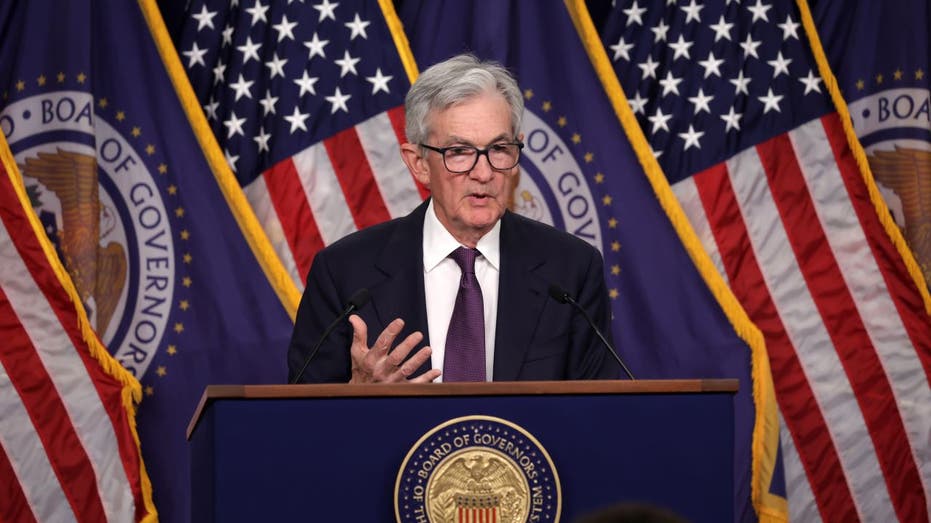
If Powell uses his press conference to reflect on institutional resilience, data-driven humility, or the importance of independence, it could serve as a quiet farewell. He might emphasize what he got right—the swift pandemic response, bank stability during the 2023 regional banking stress—and acknowledge missteps, like underestimating inflation persistence.
His tone could set the stage for a collaborative handover. Or, if combative or defensive, it might hint at internal tensions over the future direction of policy.
Investors should watch not just the statement, but Powell’s demeanor. A measured, forward-looking chair exits with authority. One on the defensive risks muddying his legacy.
Preparing for the Next Era of Monetary Policy For businesses, investors, and households, the Fed’s leadership change isn’t abstract—it’s personal.
Homebuyers await rate cuts that could lower monthly payments. A dovish successor might accelerate relief; a hawkish one could prolong waits.
CEOs adjust capital spending based on borrowing costs and economic outlook. Uncertainty delays decisions.
Retirees relying on fixed income watch yields closely. The next chair’s stance on long-term rates affects portfolio returns.
Practical steps to navigate the transition:
- Lock in fixed rates if possible—avoid floating debt in uncertain times.
- Diversify duration exposure in bond portfolios to hedge against rate shifts.
- Monitor regional Fed speeches—they often signal emerging consensus.
- Avoid overreacting to short-term volatility—policy continuity often exceeds headlines.
The Fed is designed to be institutionally stable. But leadership shapes culture, communication, and response speed. The next chair won’t reverse policy overnight—but their philosophy will seep into decisions over time.
The End of an Unpredictable Chapter
Jerome Powell’s tenure redefined crisis central banking. He navigated shutdowns, stimulus floods, inflation surges, and bank runs—all while defending the Fed’s independence in a polarized climate.
This meeting may be his last act as chair. Whether he exits with a subtle nod to legacy or a firm defense of current policy, the moment marks a turning point.
The big change looming isn’t just about who sits in the chair—it’s about how the Fed evolves. Will it lean more toward transparency? Tighter inflation guardrails? Deeper financial regulation?
The answers start here. Investors, policymakers, and the public should listen closely—not just to the rate decision, but to the silence between the lines.
What happens if Powell stays longer than expected? His term as chair ends in May, but he remains a Fed governor until 2028. He could serve in a reduced role, though continued influence without the title is unlikely.
Can the president remove Powell early? No. Fed chairs serve fixed terms and can only be removed for cause, like misconduct. It’s a safeguard for independence.
How long does the confirmation process take? Typically 2–4 months. Nomination, Senate Banking Committee hearings, and floor vote all take time—especially in a divided Congress.
Will the next chair change inflation targets? Unlikely. The 2% target is well-entrenched. But the method of achieving it—average inflation targeting, level targeting, rules-based approaches—could shift.
Does the Fed chair control policy alone? No. The FOMC votes collectively. But the chair sets agendas, influences tone, and speaks for the institution—giving them outsized sway.
Are regional Fed presidents influential? Yes. Twelve vote on policy (on rotation), and their public commentary often previews shifts. Dallas, Atlanta, and St. Louis presidents are particularly watched.
What’s the biggest risk in a leadership change? Policy drift. If the new chair lacks credibility or struggles to build consensus, markets may lose confidence, leading to steeper rate moves or delayed responses to crises.
FAQ
What should you look for in Jerome Powell’s Final Fed Meeting Before Major Shift? Focus on relevance, practical value, and how well the solution matches real user intent.
Is Jerome Powell’s Final Fed Meeting
Before Major Shift suitable for beginners? That depends on the workflow, but a clear step-by-step approach usually makes it easier to start.
How do you compare options around Jerome Powell’s Final Fed Meeting Before Major Shift? Compare features, trust signals, limitations, pricing, and ease of implementation.
What mistakes should you avoid? Avoid generic choices, weak validation, and decisions based only on marketing claims.
What is the next best step? Shortlist the most relevant options, validate them quickly, and refine from real-world results.